
Spring / Summer 2026
The Collar That Changes Tone
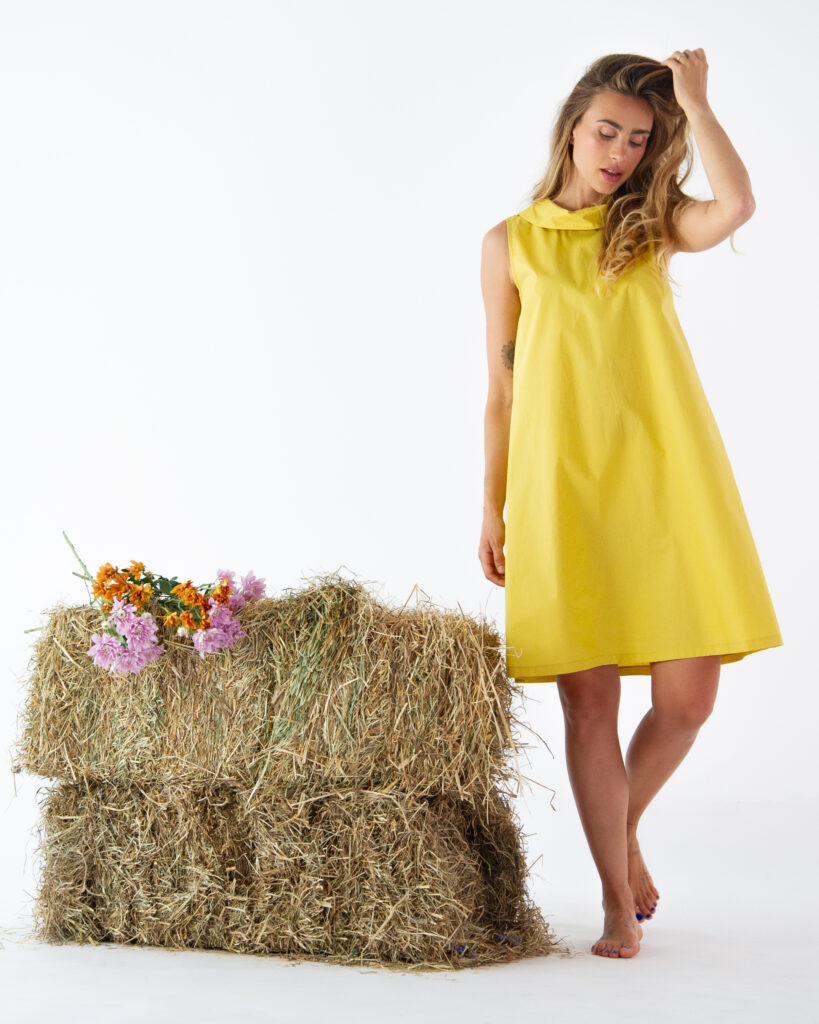
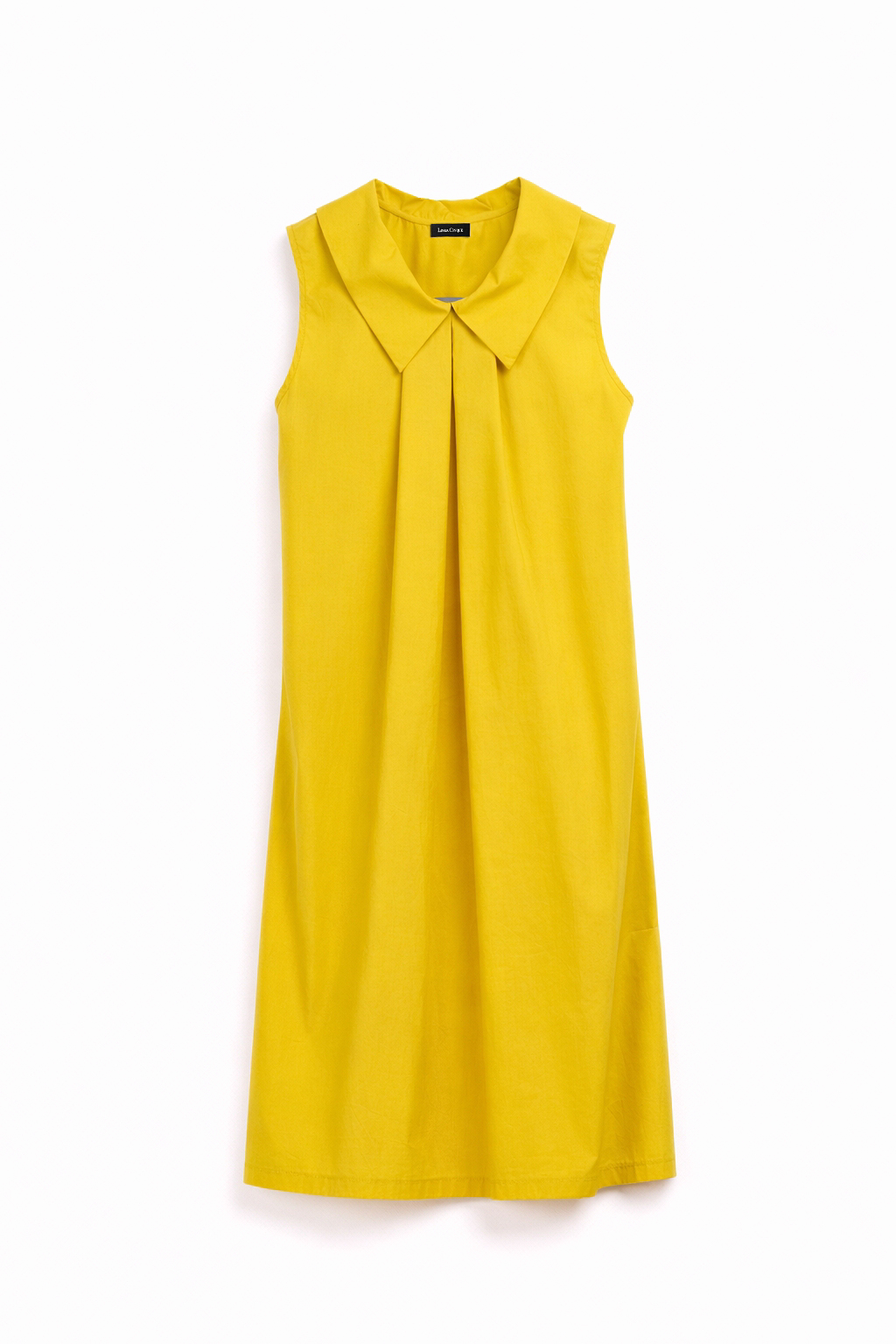
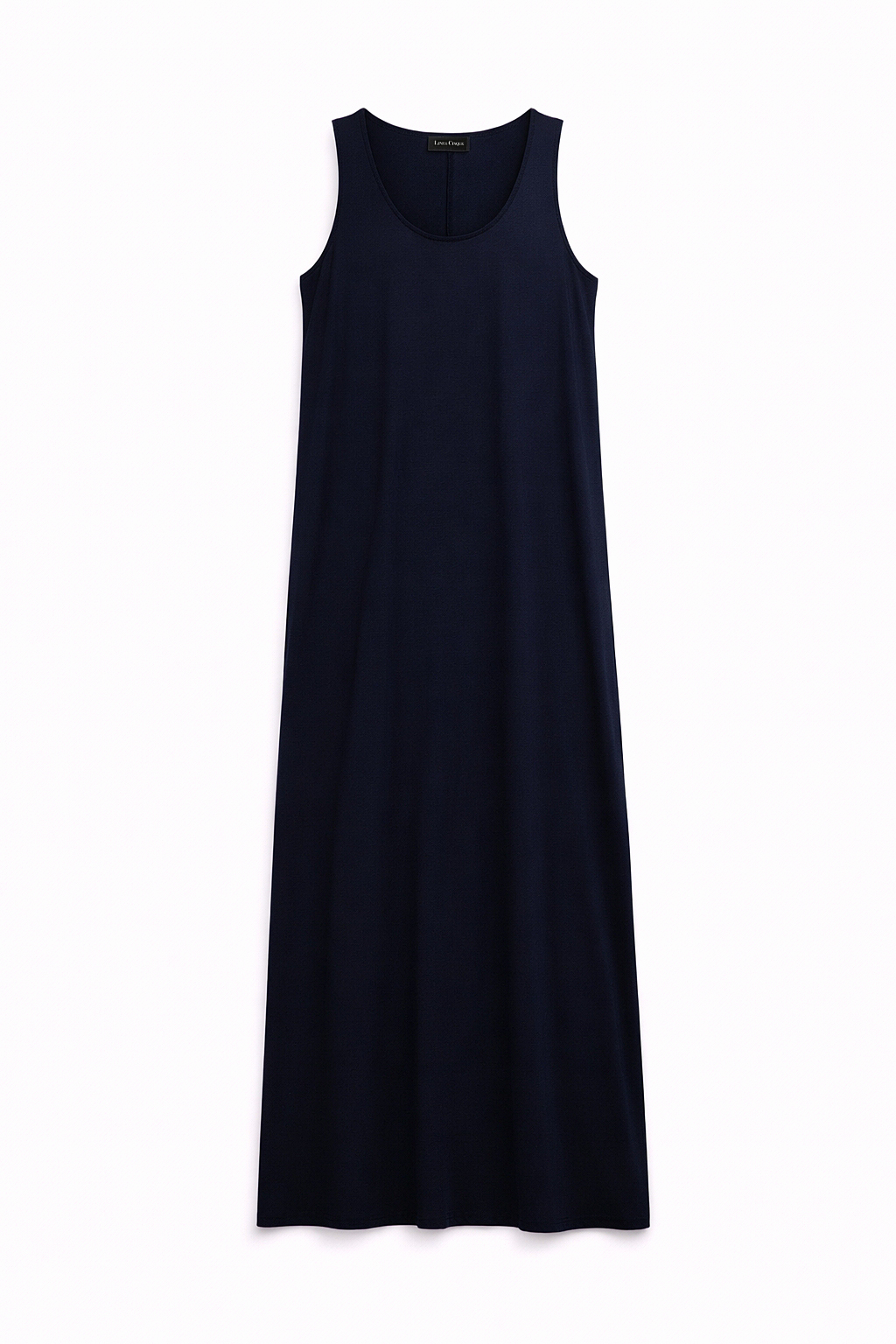
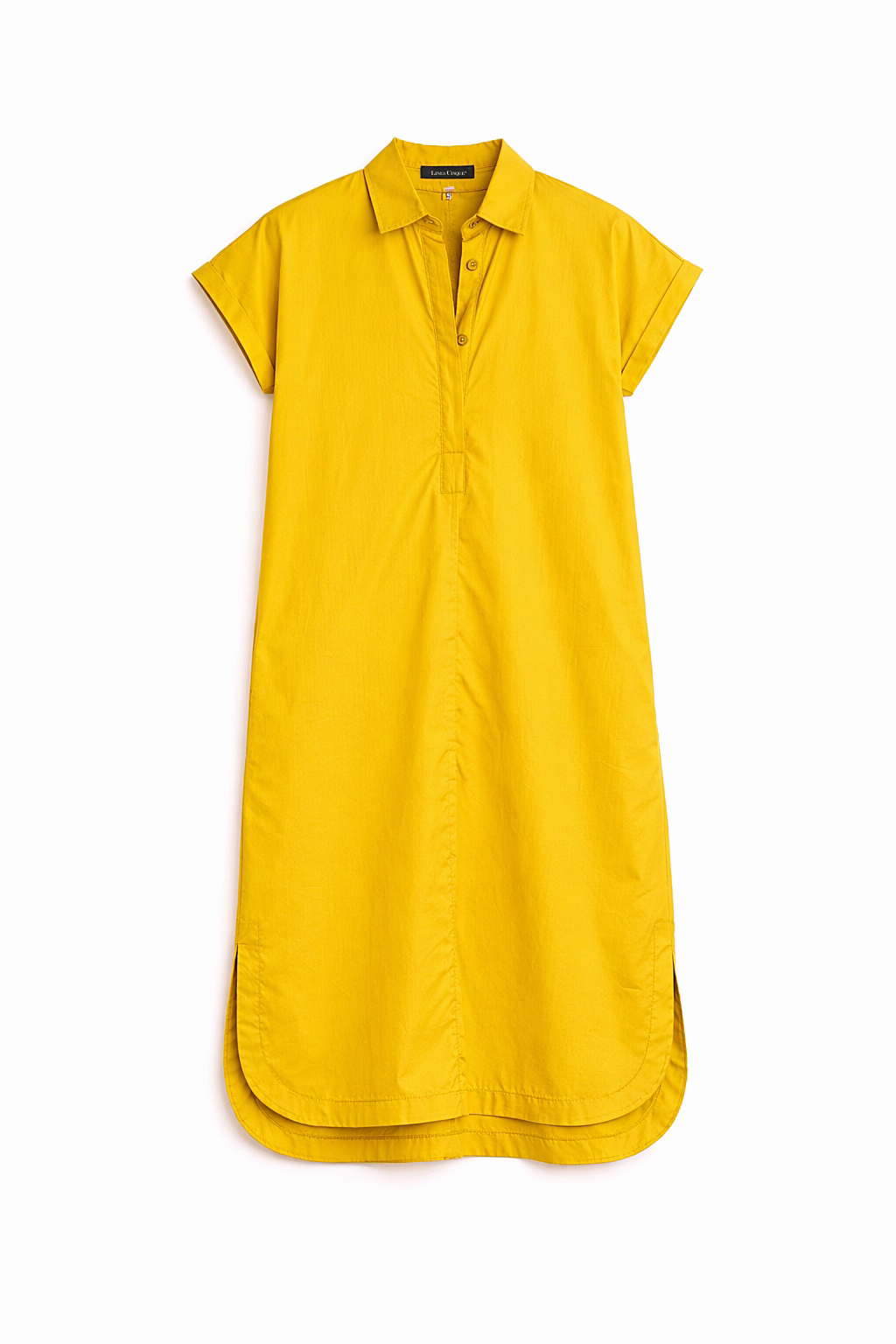
A sleeveless dress in 100% cotton, built on a soft, continuous line. The volume falls without marking the body, leaving space for movement and for the natural character of the fabric.
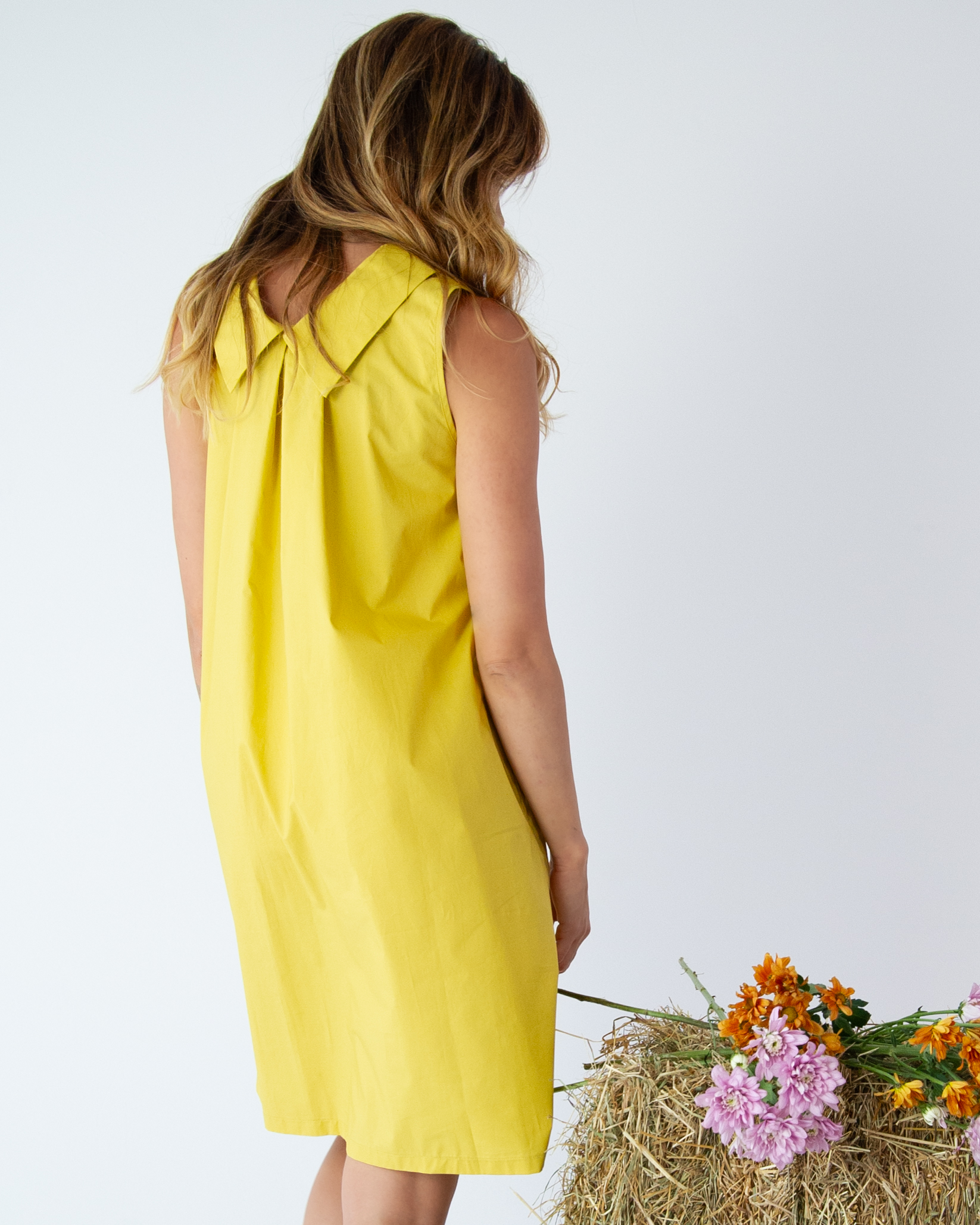
The detail that defines the garment is the collar: it recalls the language of the shirt, but changes tone completely when it meets a freer shape, without sleeves and without rigid structure.
The central pleat follows the fall of the dress and creates depth on the surface. It is an immediate garment, but not generic: it works because it combines practicality, presence and a recognisable detail.
Technical details
ABITO S/M
Hand: firm
Construction: shirt collar
Fit: soft
Story and craft
The shirt collar began as a functional element: it protects, frames and gives order to a garment. It usually belongs to a precise construction, made of button plackets, cuffs and more defined cuts.
Here it is isolated and placed on a sleeveless dress. It loses its most formal side and becomes a light, almost graphic sign.
That is what makes it interesting: moving a detail away from its usual context is enough to change the reading of the whole garment. The collar gives character, the wide line lightens it, and cotton keeps a natural presence.
How to style it
This dress changes a lot depending on the shoe. With a flat sandal it stays close to spontaneous summer dressing; with an essential ballerina or a slingback it immediately becomes more refined.
The collar already has a strong visual role, so it is better not to cover it with short necklaces or scarves. It works best when left free, with softly gathered hair or hair pulled back, so the detail can be read even in profile.
To complete it, choose a light bag or a soft shopper: overly rigid accessories would make the garment feel more severe than it is.
How to care for it
Woven cotton keeps its shape well when helped in the right places. After washing or after a day of wear, it is worth setting the collar with your hands straight away: letting it dry or rest already in position avoids hard creases and keeps the detail cleaner.
The central pleat should not be pressed too flat. Use light steam and a neat pass, without applying strong pressure across the whole surface. In cotton garments, part of the beauty is a certain natural hand: over-ironing can take life out of the fabric.
From the same collection
Other pieces from the collection, designed for the same balance of shape and use
The Gesture of Colour
Apri il look →
The Collar That Changes Tone
Apri il look →
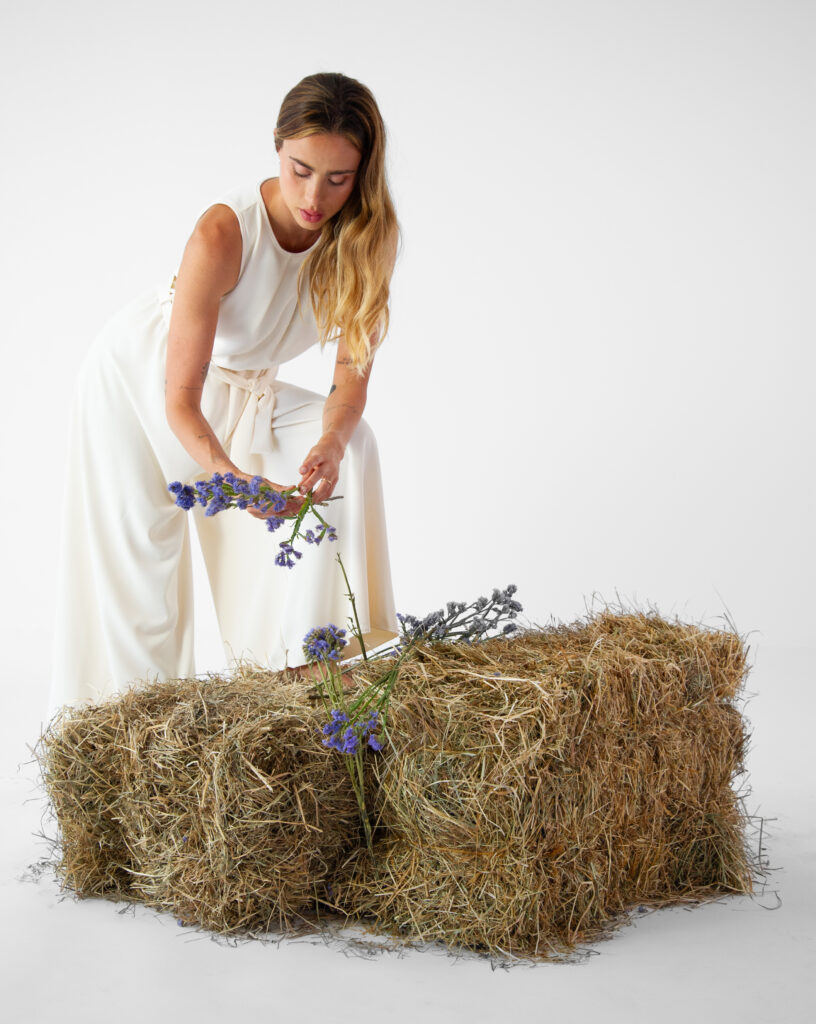
The Jumpsuit That Looks Like a Dress
Apri il look →
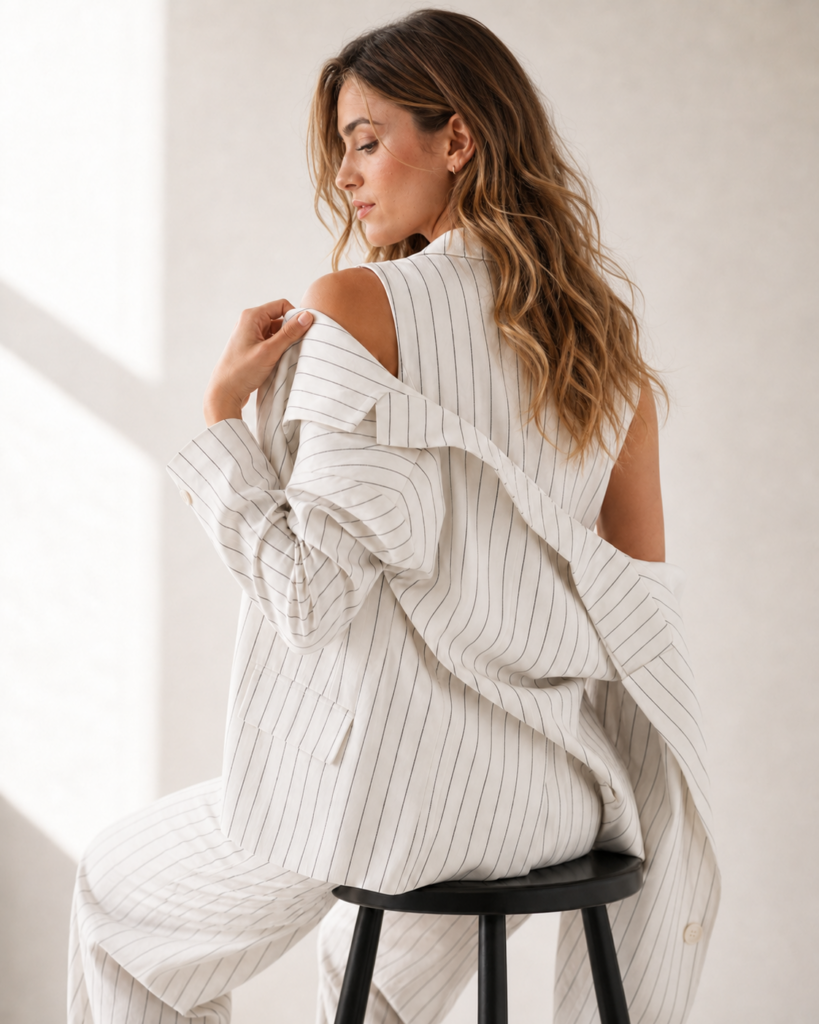
The Lightened Suit
Apri il look →
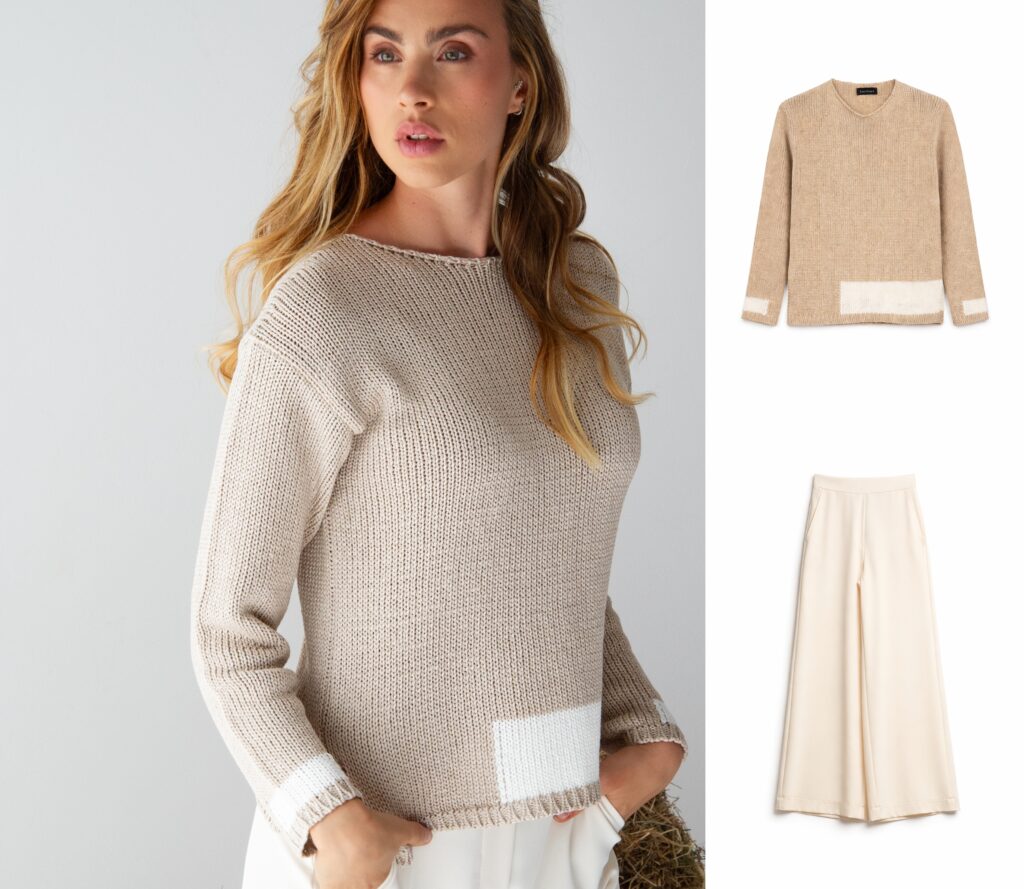
Intarsia knit
Apri il look →
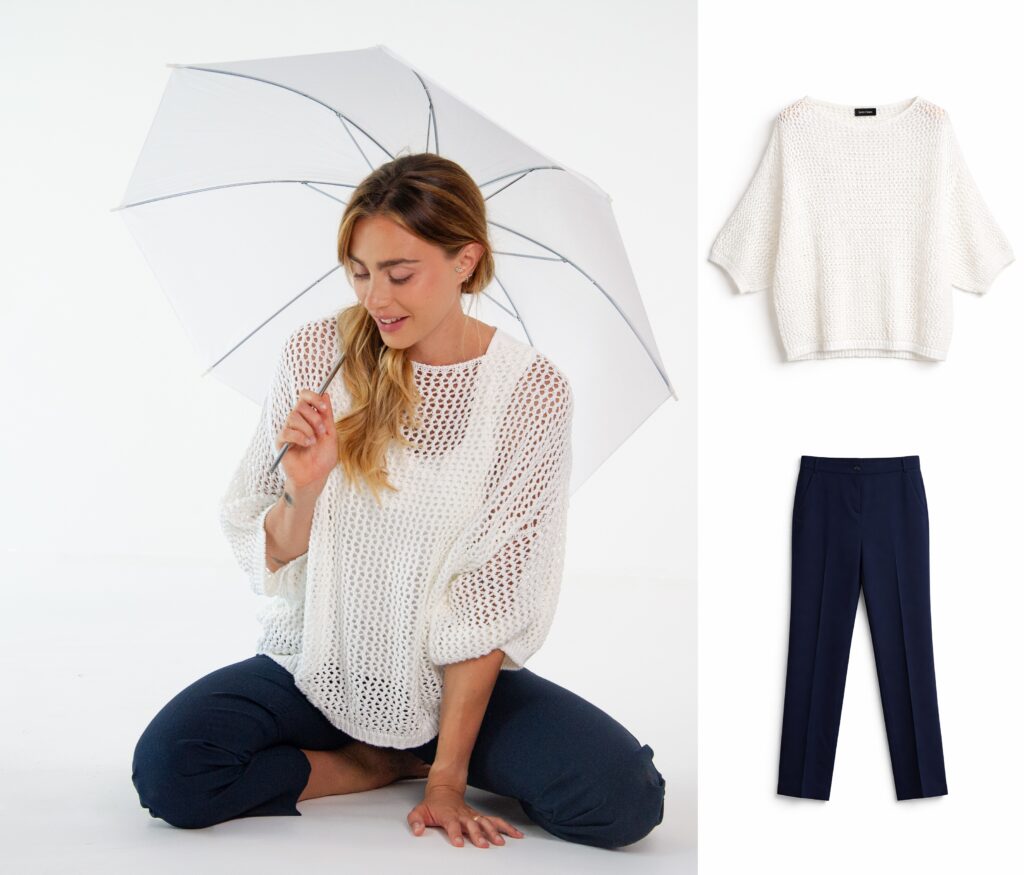
Open-stitch knit
Apri il look →
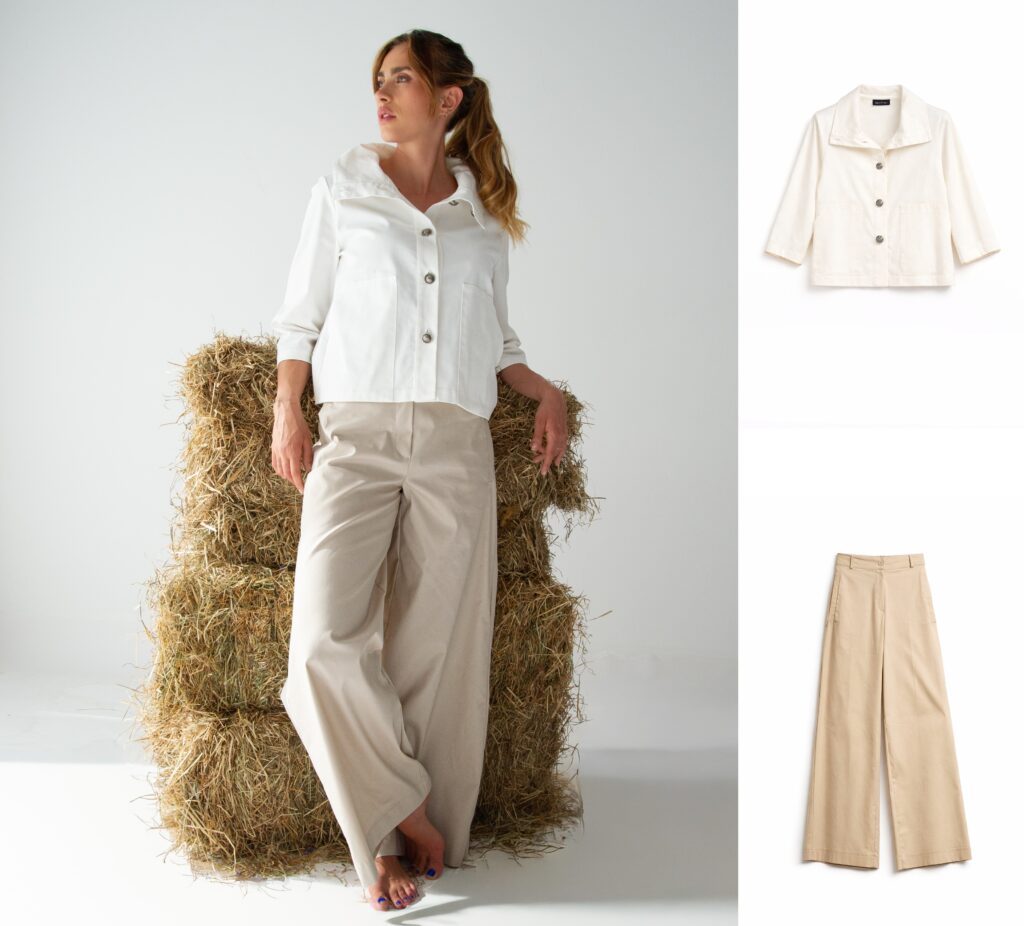
Cotton jacket
Apri il look →
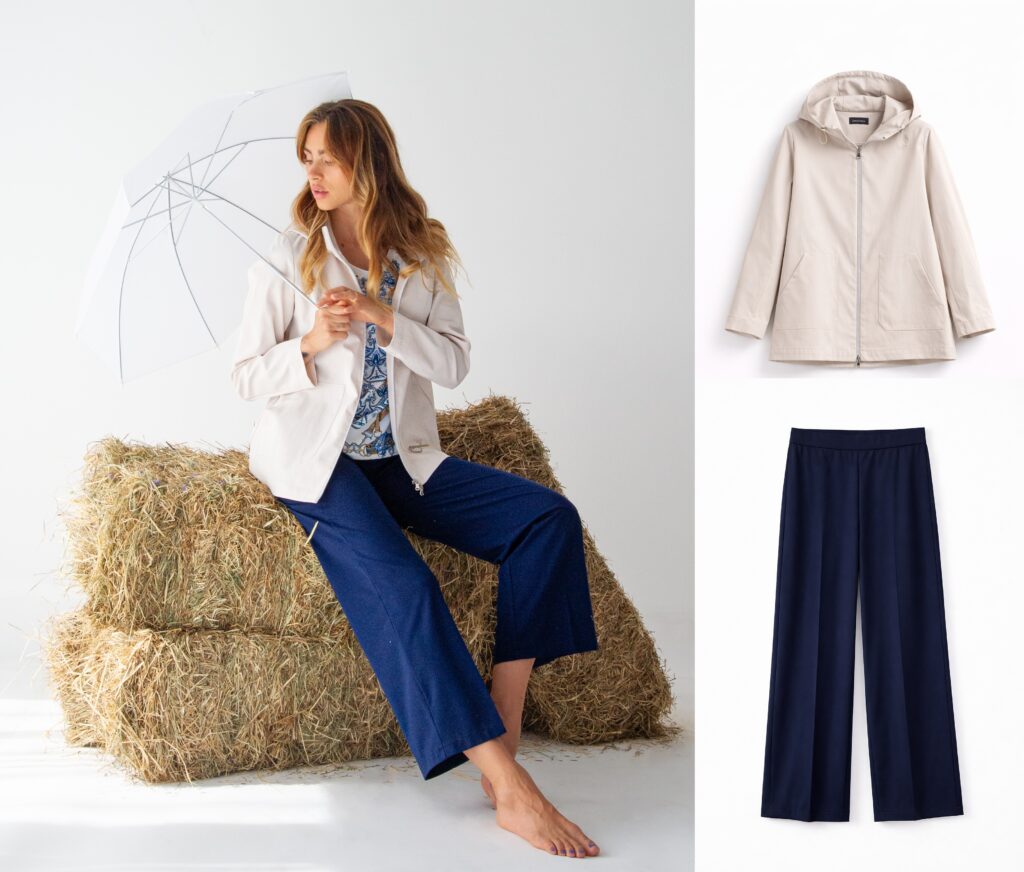
Hooded jacket
Apri il look →
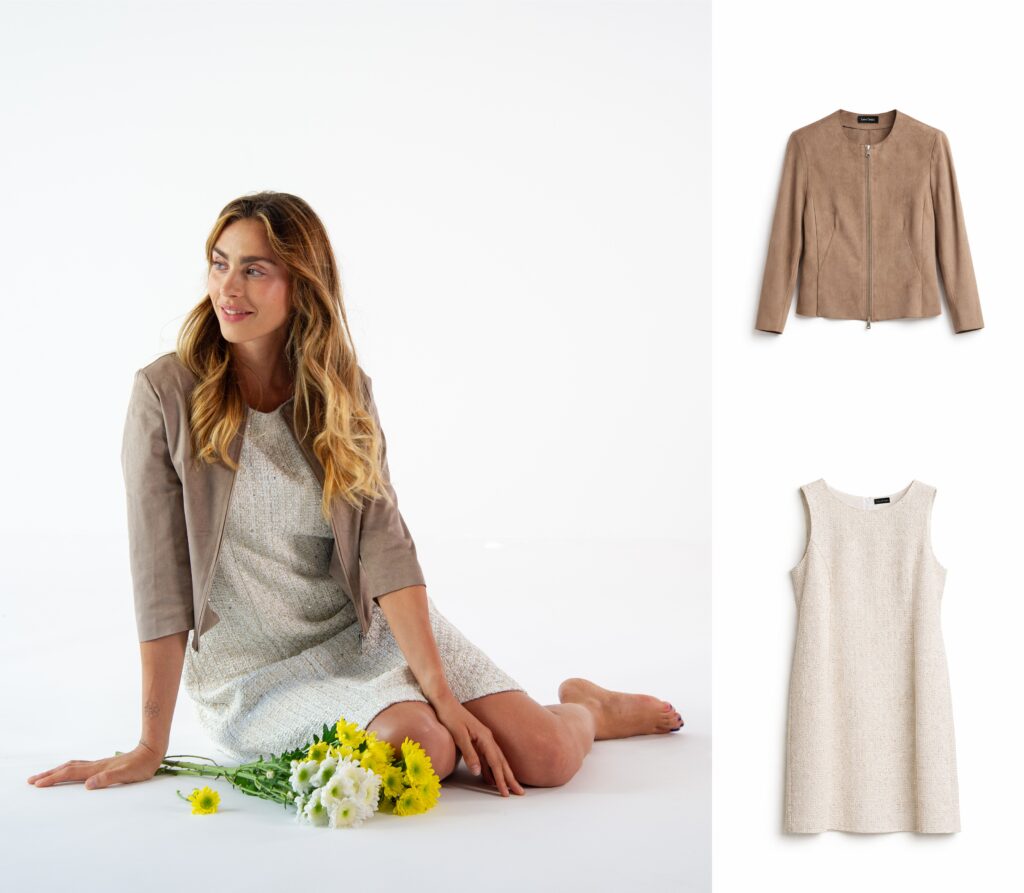
Doeskin-effect dress and jacket
Apri il look →
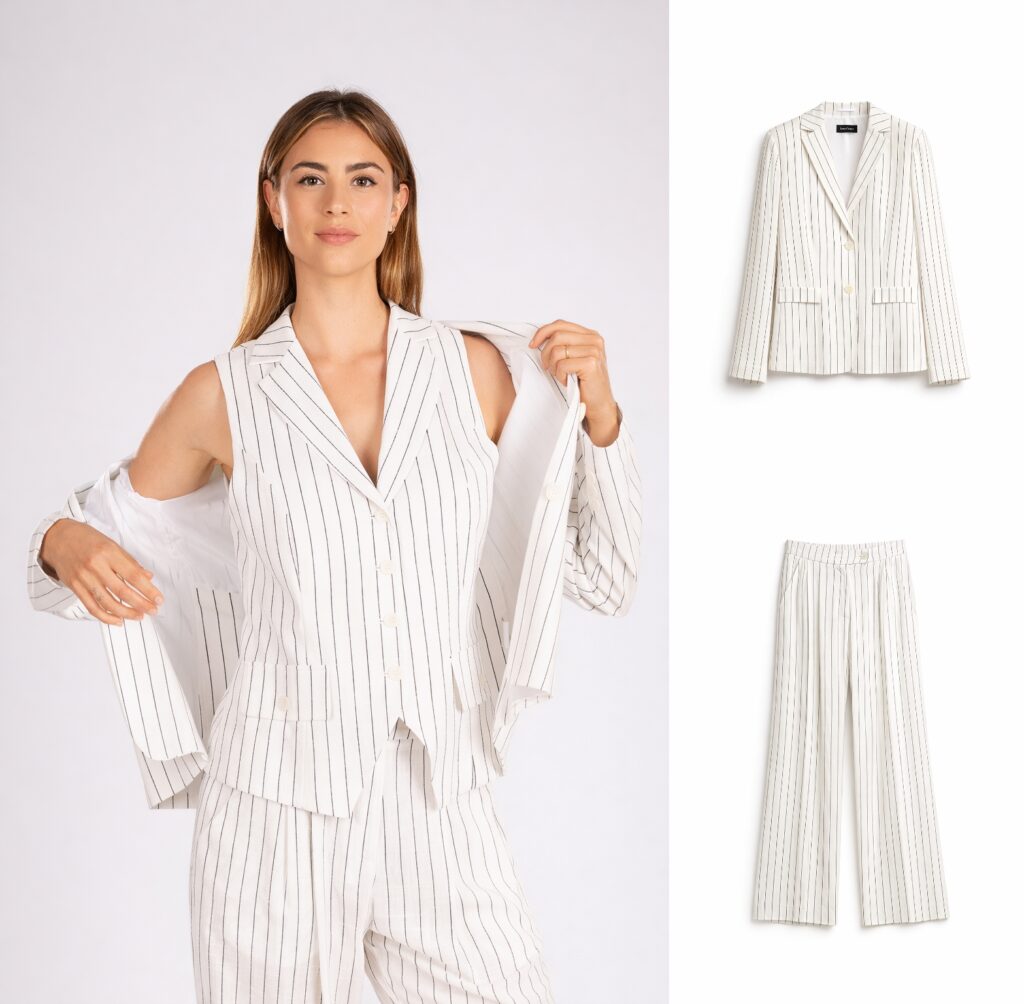
Pinstripe suit
Apri il look →
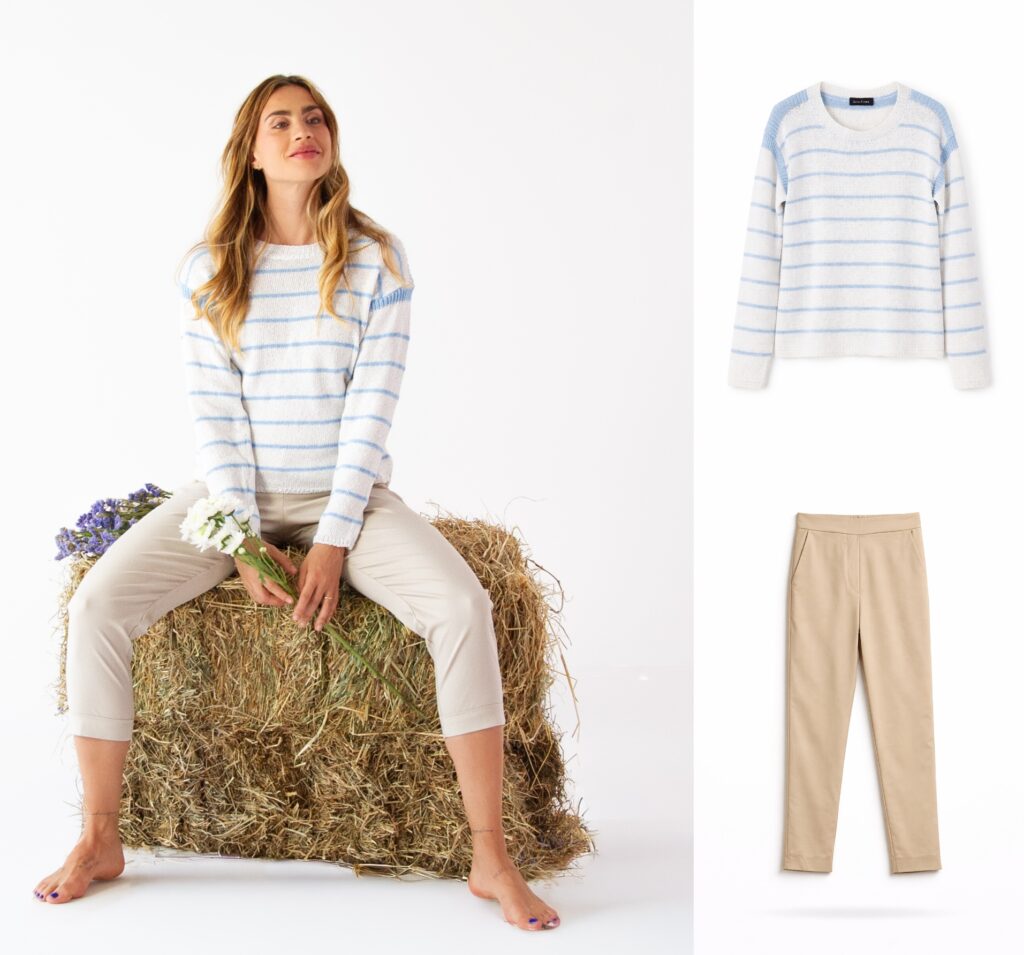
Striped knit
Apri il look →
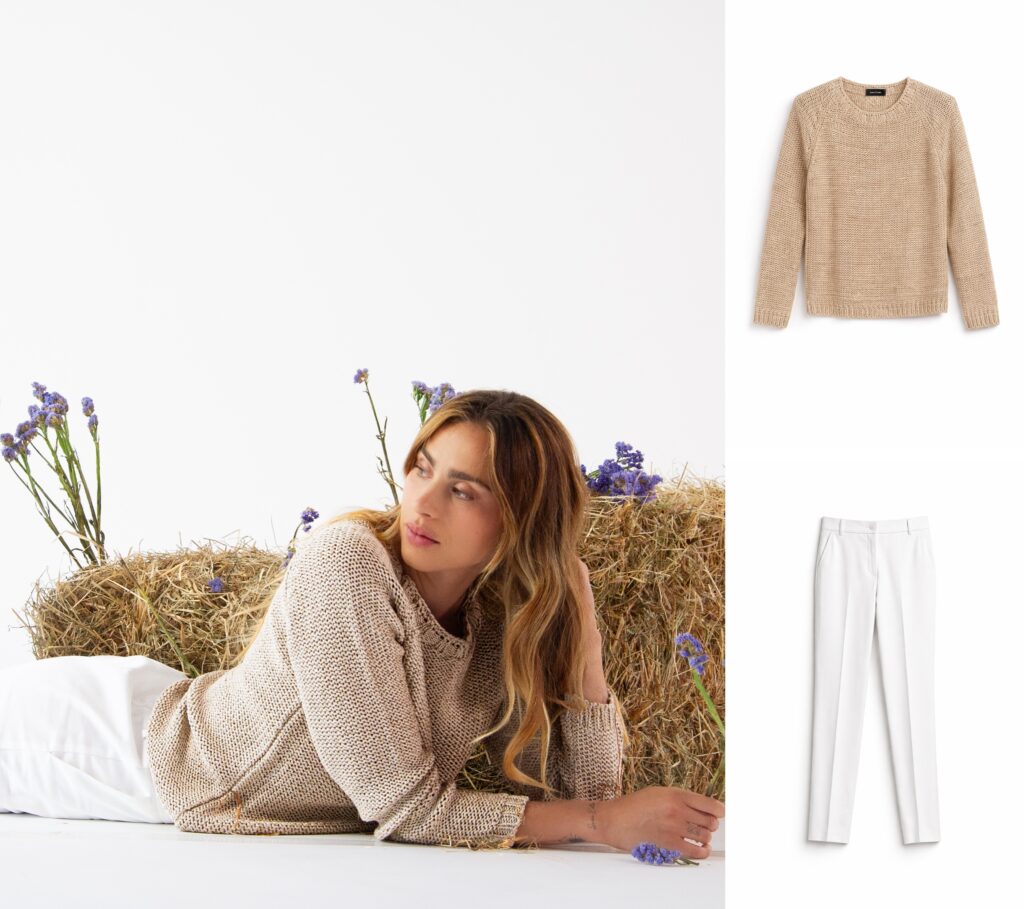
Micro-sequin knit
Apri il look →
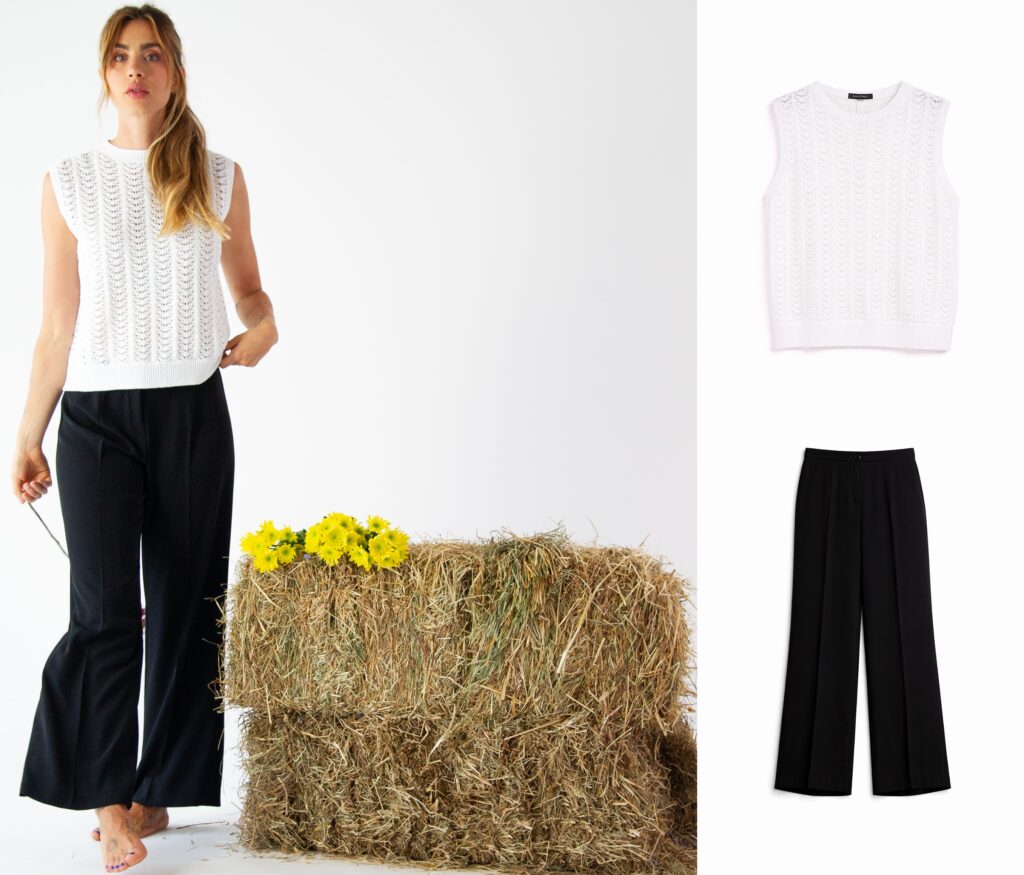
Open-back knit top
Apri il look →
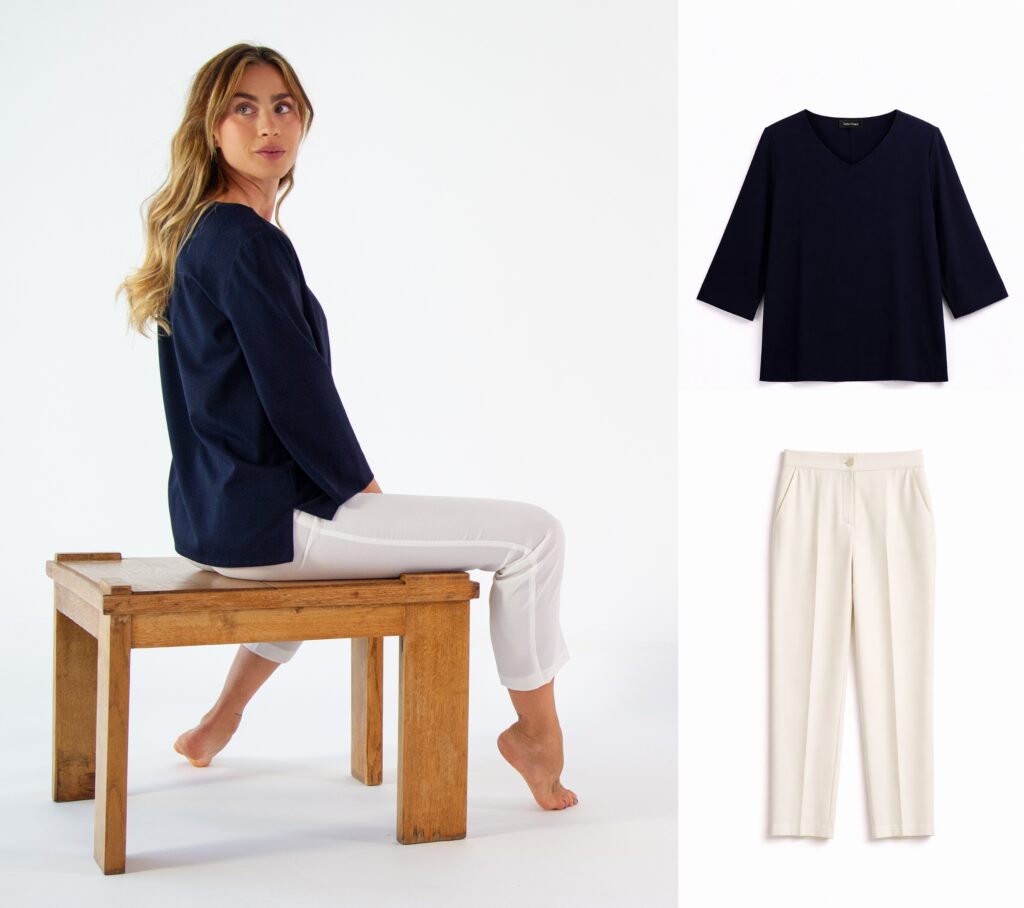
Three-quarter sleeve tunic
Apri il look →
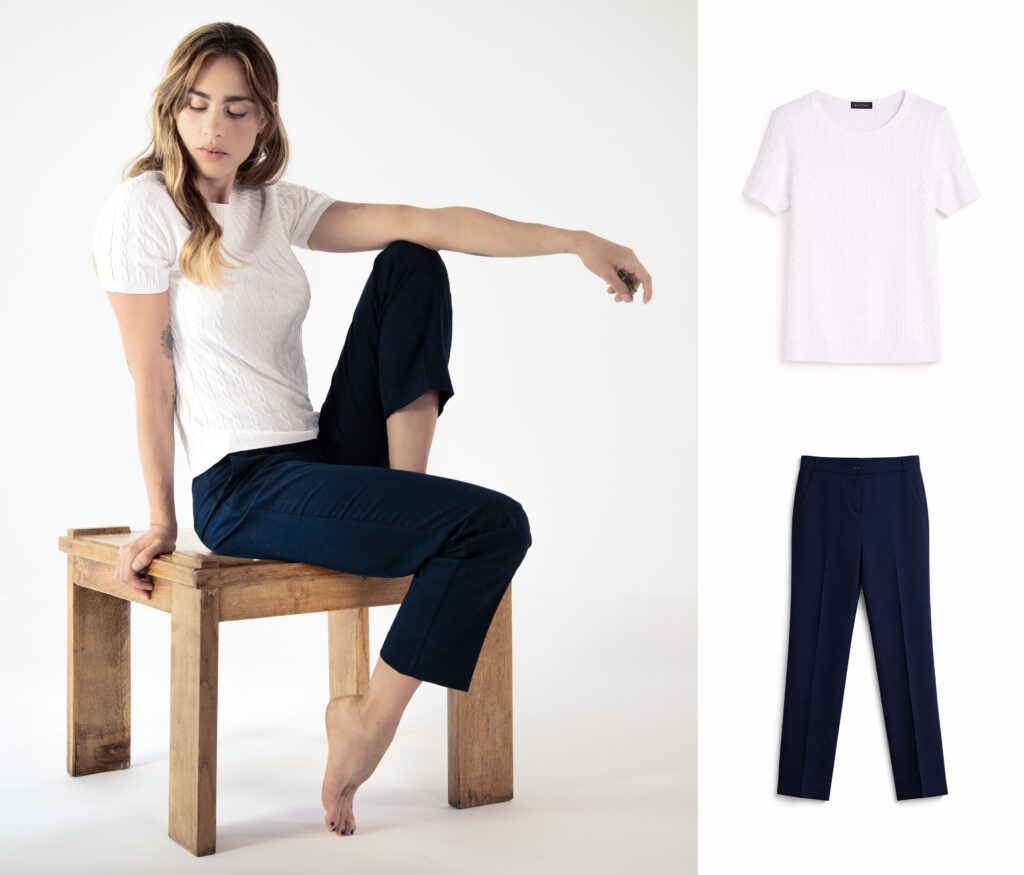
Slim cable-knit top
Apri il look →
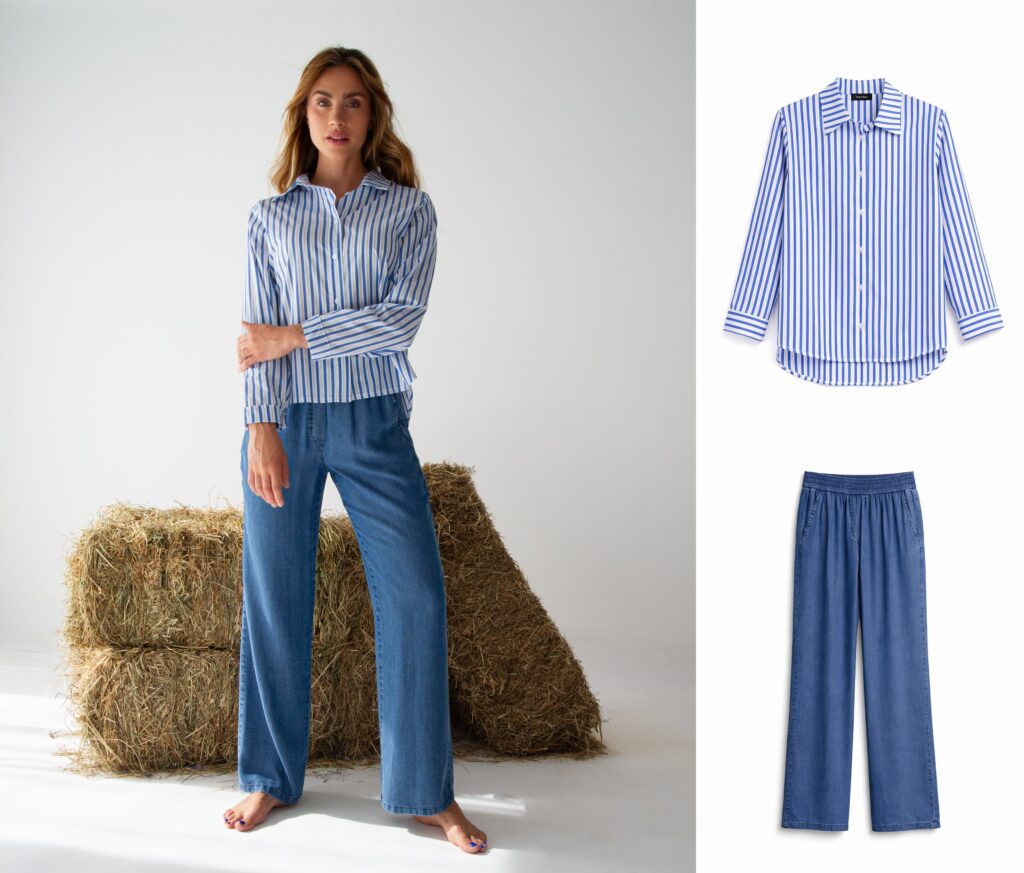
Classic shirt and fluid trousers
Apri il look →
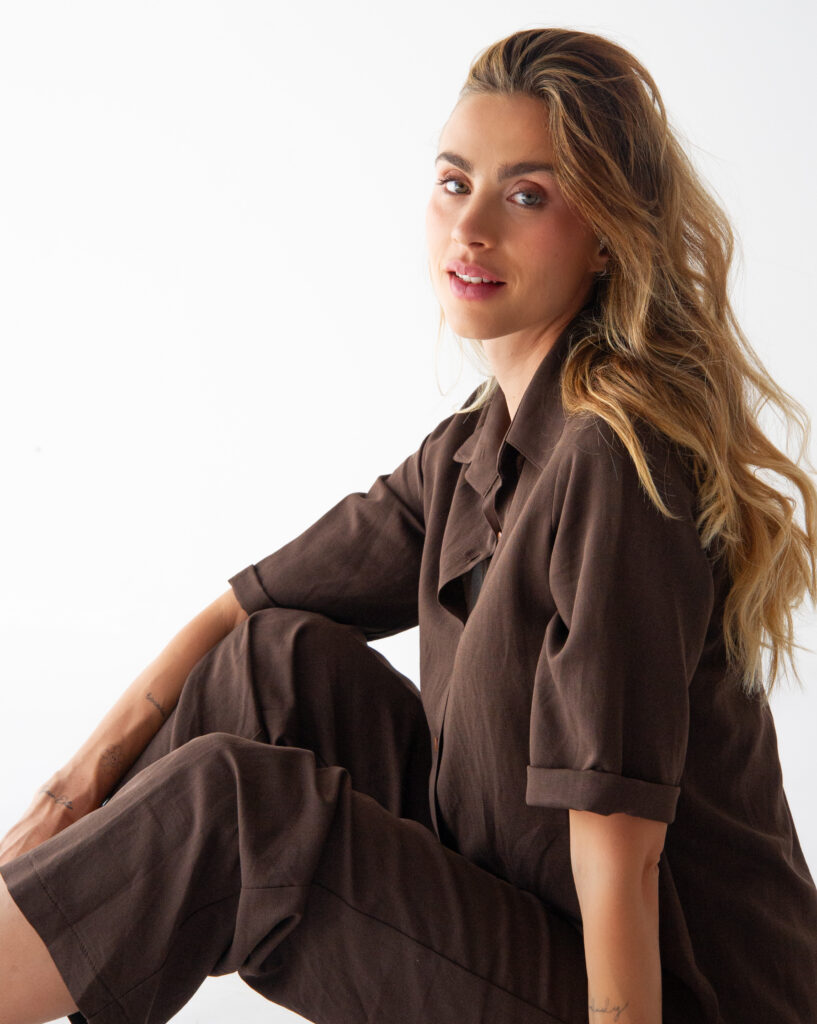
Linen and viscose set
Apri il look →
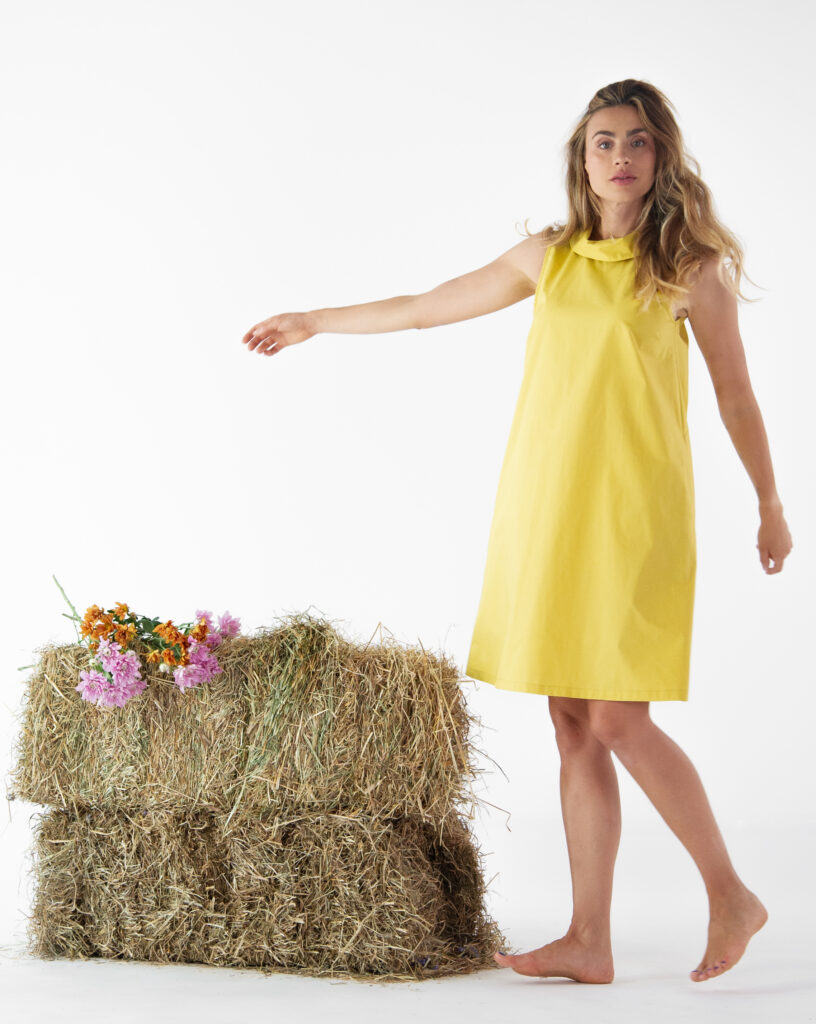
Sleeveless cotton dress
Apri il look →
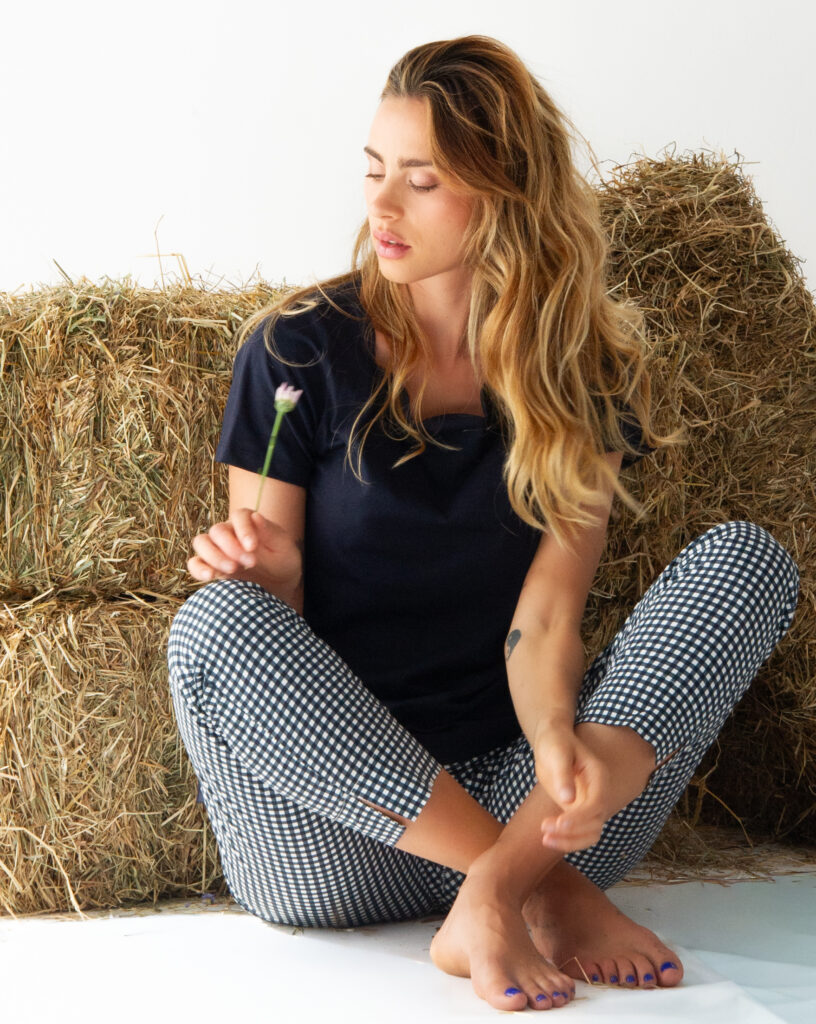
Gingham trousers and elegant t-shirt
Apri il look →
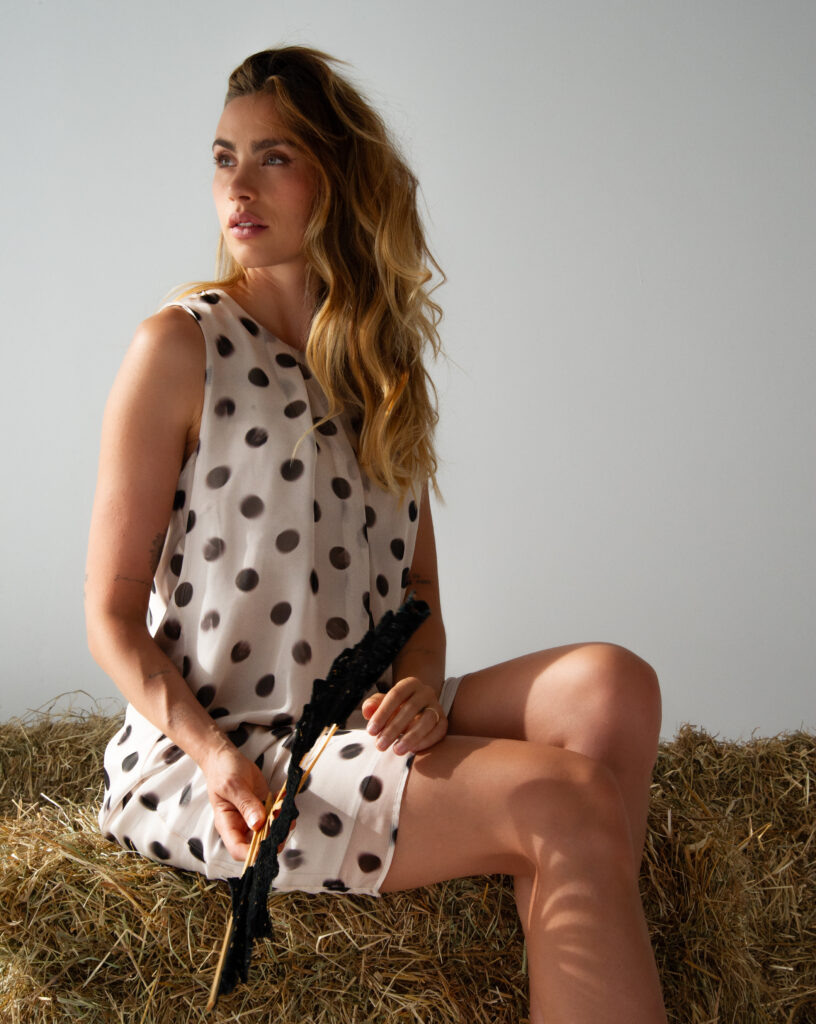
Polka-dot dress
Apri il look →
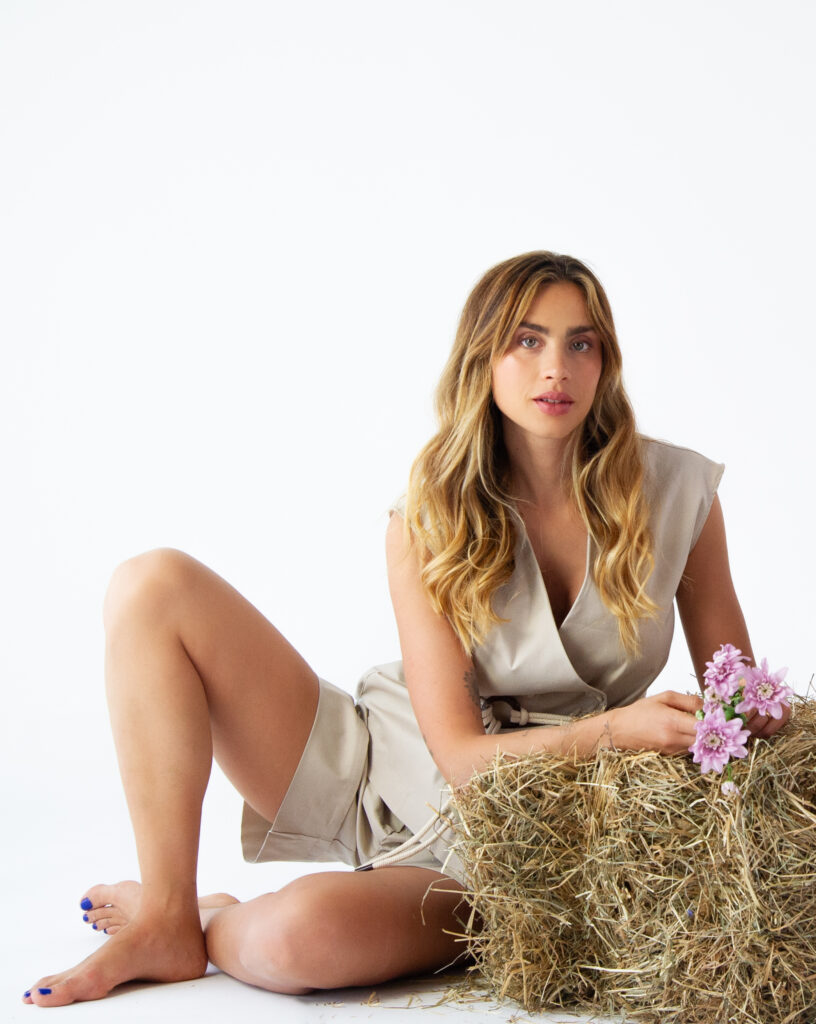
The saharienne, made lighter
Apri il look →
Newsletter
Iscriviti alla nostra newsletter per restare aggiornato su tutte le novità stagionali